
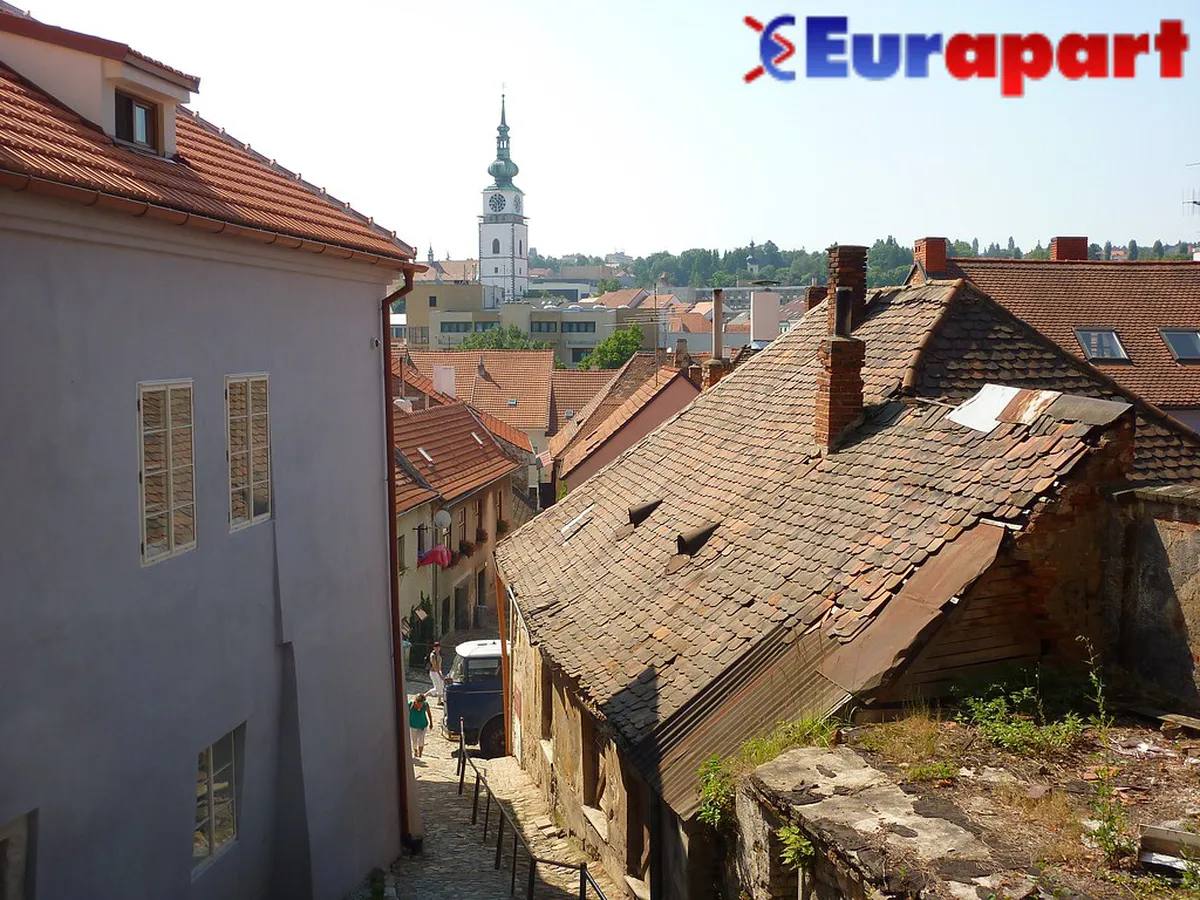
The Ultimate Guide to Třebíč Jewish Quarter History
The Třebíč Jewish Quarter history is a story of resilience and cultural preservation. This area is one of the best-preserved Jewish ghettos in Europe. It earned a spot on the UNESCO World Heritage list in 2003. Visitors from nearby Brno often come here to see the narrow streets and old houses. You can feel the atmosphere of centuries past as you walk through the district. This guide highlights the best spots to experience this heritage firsthand.
The Significance of Třebíč Jewish Quarter History
The Třebíč Jewish Quarter history dates back to the 12th century. For hundreds of years, Jewish and Christian communities lived side by side. This proximity is rare in European history. You can see the Christian basilica right next to the Jewish district. This layout shows a unique level of religious tolerance for the time. Today, the quarter remains a living museum of Moravian heritage.
Many people visit Třebíč as part of a larger tour of nearby towns from Brno. The area is famous for its dense architecture and winding alleys. There are over 120 residential buildings still standing. Each house tells a part of the Třebíč Jewish Quarter history. You can find more information about regional history on the Visit Czechia website.
Before you dive into the details, here are some quick picks for your trip:
- Best Overall: Rear Synagogue
- Best for Families: Seligmann Bauer House
- Best Free Site: Jewish Cemetery
- Best Photo Spot: The view from the Basilica hill
10 Must-See Sites for Třebíč Jewish Quarter History
To truly understand the Třebíč Jewish Quarter history, you must visit these specific locations. Each site offers a different perspective on how people lived and worked here. We recommend starting with a Trebic Jewish Quarter self-guided walking tour to see them all efficiently. Most sites are within easy walking distance of each other.
- Name: Rear Synagogue (Zadní synagoga) Type: Museum/Indoor Why go: This is the heart of the district. It features stunning 18th-century wall paintings and a detailed model of the ghetto. Best for: History buffs Where: Blahoslavova street Time: 45 minutes Cost: Approx. 100-150 CZK Getting there: Walk 5 minutes from the town square Tip: Look for the Hebrew inscriptions on the walls.
- Name: Třebíč Jewish Cemetery Type: Nature/Outdoor Why go: It is one of the largest and most poetic Jewish cemeteries in the country. There are over 3,000 gravestones dating back to the 1600s. Best for: Viewpoints/Nature Where: Hrádek hill Time: 1 hour Cost: Free (donations welcome) Getting there: Uphill walk from the Rear Synagogue Tip: Visit in the late afternoon for the best light.
- Name: Seligmann Bauer House Type: Unique local experience Why go: This house shows how a typical Jewish family lived in the 19th century. It includes a traditional kitchen and a grocery shop. Best for: Families Where: Next to the Rear Synagogue Time: 30 minutes Cost: Included in synagogue ticket Getting there: Blahoslavova street Tip: Check out the ritual bath (mikvah) nearby.
- Name: Front Synagogue (Přední synagoga) Type: Sight Why go: Originally built in the Baroque style, it now serves the Czechoslovak Hussite Church. It represents the ongoing use of historic spaces. Best for: Architecture lovers Where: Near the entrance to the quarter Time: 20 minutes Cost: Small entry fee Getting there: Quiet walk from Karlovo Square Tip: Notice the contrast between the exterior and interior styles.
- Name: St. Procopius Basilica Type: Iconic sight Why go: While Christian, this UNESCO site is vital to the Třebíč Jewish Quarter history. It stands as a symbol of the town's dual heritage. Best for: Everyone Where: The castle grounds Time: 1 hour Cost: 100-200 CZK for tours Getting there: Follow the path from the Jewish Quarter Tip: Read the St. Procopius Basilica visiting information before you arrive.
- Name: Subak's Tannery Type: Neighborhood/Industrial Why go: This building highlights the industrial side of the Jewish community. Leather processing was a major local trade. Best for: Industrial history Where: Southern edge of the quarter Time: 15 minutes Cost: Free to view exterior Getting there: Walk along the river Jihlava Tip: The river views here are excellent for photos.
- Name: Telč Historical Center Type: Day trip Why go: Located nearby, Telč is another UNESCO gem. It offers a perfect contrast with its bright Renaissance facades. Best for: Photographers Where: 35 km west of Třebíč Time: Half-day Cost: Free to walk; small fees for the chateau Getting there: Bus or train from Třebíč Tip: Consider visiting Telc on your way back to Brno.
- Name: Boskovice Jewish Ghetto Type: Day trip Why go: If you love Třebíč, Boskovice offers another incredible Jewish heritage site. It has a beautiful synagogue and a unique cemetery. Best for: Deep history dives Where: North of Brno Time: Full day Cost: Moderate Getting there: Train from Brno or Třebíč Tip: See the Boskovice town guide for more details.
- Name: Mikulov Jewish Quarter Type: Day trip Why go: Mikulov was once the seat of the Moravian Land Rabbi. It is a vital part of the regional Jewish story. Best for: Wine and history Where: South Moravia Time: Full day Cost: Moderate Getting there: Easy Mikulov day trip from Brno Tip: Visit the Jewish cemetery, which is one of the most important in Central Europe.
- Name: Slavkov Castle (Austerlitz) Type: Day trip Why go: While different in theme, this castle is essential for Moravian history. It is the site of the famous Battle of the Three Emperors. Best for: Military history Where: East of Brno Time: 3-4 hours Cost: 150-250 CZK Getting there: Explore the Slavkov u Brna battlefield via train from Brno Tip: The castle gardens are free and very beautiful.
Planning Your Visit from Brno to Třebíč
Getting to Třebíč from Brno is very simple. The journey takes about one hour by car or 1.5 hours by train. Trains run frequently from the Brno main station. You can use DPMB public transport to reach the station in Brno easily. Once in Třebíč, the Jewish Quarter is a short walk from the train station.
The best time to visit is from April to October. Most museums have longer opening hours during these months. Some sites may have limited access in the winter. Wear comfortable shoes because the streets are made of cobblestones. The terrain near the cemetery is also quite steep.
Třebíč is a very safe and walkable town. You do not need a car to see the main sites. Most signs in the Jewish Quarter are in Czech and English. This makes it easy to learn about the Třebíč Jewish Quarter history on your own. There are also several small cafes where you can rest between sites.
Frequently Asked Questions
Is the Třebíč Jewish Quarter still an active community?
No, there is no longer an active Jewish community in Třebíč today. Most residents were deported during World War II. The quarter now serves as a protected historical site and museum. It preserves the memory of those who lived there for centuries.
How long do I need to see the Jewish Quarter in Třebíč?
You should plan for at least three to four hours. This gives you enough time to see the synagogues, the Seligmann Bauer House, and the cemetery. If you also visit the St. Procopius Basilica, a full day trip is recommended.
Can I visit Třebíč as a day trip from Brno?
Yes, Třebíč is an excellent day trip from Brno. It is only about 60 kilometers away. You can easily travel there by train or bus in roughly an hour. This makes it a popular choice for visitors staying in Brno.
Exploring the Třebíč Jewish Quarter history is a highlight of any trip to Moravia. The area offers a rare look into a preserved past that survived the turmoil of the 20th century. From the quiet paths of the cemetery to the colorful walls of the Rear Synagogue, every corner has a story. UNESCO sites like Villa Tugendhat in Brno show the region's modern side, but Třebíč reminds us of its ancient roots. Plan your visit today to experience this unique cultural treasure.
Official resources
Use these sources for official schedules, tickets, routes, and updates.
- Go To Brno — Official tourism portal; unverified source.
- City of Brno — Official municipal portal; unverified source.
- UNESCO World Heritage - Villa Tugendhat — International heritage designation; unverified source.
- Lonely Planet Brno — Major editorial travel guide; unverified source.
- Visit Czechia — National tourism board; unverified source.
- Brno-Tuřany Airport — Official airport authority; unverified source.