
How to See the Prague Astronomical Clock Strike Like a Pro
Knowing how to see the Prague astronomical clock strike is essential for any visitor to the Czech capital. This medieval marvel, known as the Orloj, has captivated crowds for over 600 years. To see the full show, you must stand in front of the Old Town Hall on the hour. The figures move every hour between 9:00 AM and 11:00 PM. Most travelers find that arriving 15 minutes early offers the best view of the mechanical performance. If you prefer a quieter experience, try the 9:00 AM or 11:00 PM shows to avoid the heaviest crowds.
A Quick Guide to the Prague Orloj Strike
The Prague astronomical clock is one of the most famous Old Town Square historical sites you can visit. The show lasts about 45 seconds, featuring the "Walk of the Apostles" and a ringing bell. It is completely free to watch from the square. You do not need a ticket to stand outside and watch the mechanical figures appear in the windows.
The clock operates on a strict schedule. It strikes every hour, on the hour, throughout the day and evening. If you miss the strike, you will have to wait another sixty minutes for the next performance. During the show, four figures flanking the clock also move, representing Greed, Vanity, Death, and Lust. It is a dense, symbolic display that requires your full attention.
For those who want a different perspective, you can buy a ticket to enter the Old Town Hall tower. This allows you to see the internal mechanism of the clock. However, to see the figures from the outside, the square is the best place to be. Many visitors combine this with other places to visit in Prague for a full day of history.
Step-by-Step: How to See the Prague Astronomical Clock Strike
Following a specific plan ensures you don't miss the brief window of action. Here is the best way to experience the performance without stress.
- Arrive Early: Reach the Old Town Hall at least 15 minutes before the hour. Typical cost: Free. Location: Southern wall of the Old Town Hall. Common mistake: Arriving exactly on the hour and being stuck behind a wall of people.
- Position Yourself: Stand about 10 to 15 meters back from the clock face. Typical cost: Free. Location: Center-left of the viewing area. Common mistake: Standing too close to the wall, which makes it hard to see the high windows where the Apostles appear.
- Watch the Windows: Look at the two small blue doors above the clock face when the bell starts ringing. Typical cost: Free. Location: Upper clock windows. Common mistake: Focusing only on the lower calendar dial instead of the moving figures above.
- Listen for the Trumpet: Stay for one minute after the clock finishes its strike. Typical cost: Free. Location: The very top of the Old Town Hall tower. Common mistake: Walking away immediately and missing the live trumpeter who plays a fanfare in medieval costume.
If you follow these steps, you will see every detail of the medieval engineering. The trumpeter usually waves to the crowd after the performance, which is a great photo opportunity. This ritual is a highlight of the official city tourism portal recommendations for first-time visitors.
Planning Your Visit to Old Town Square
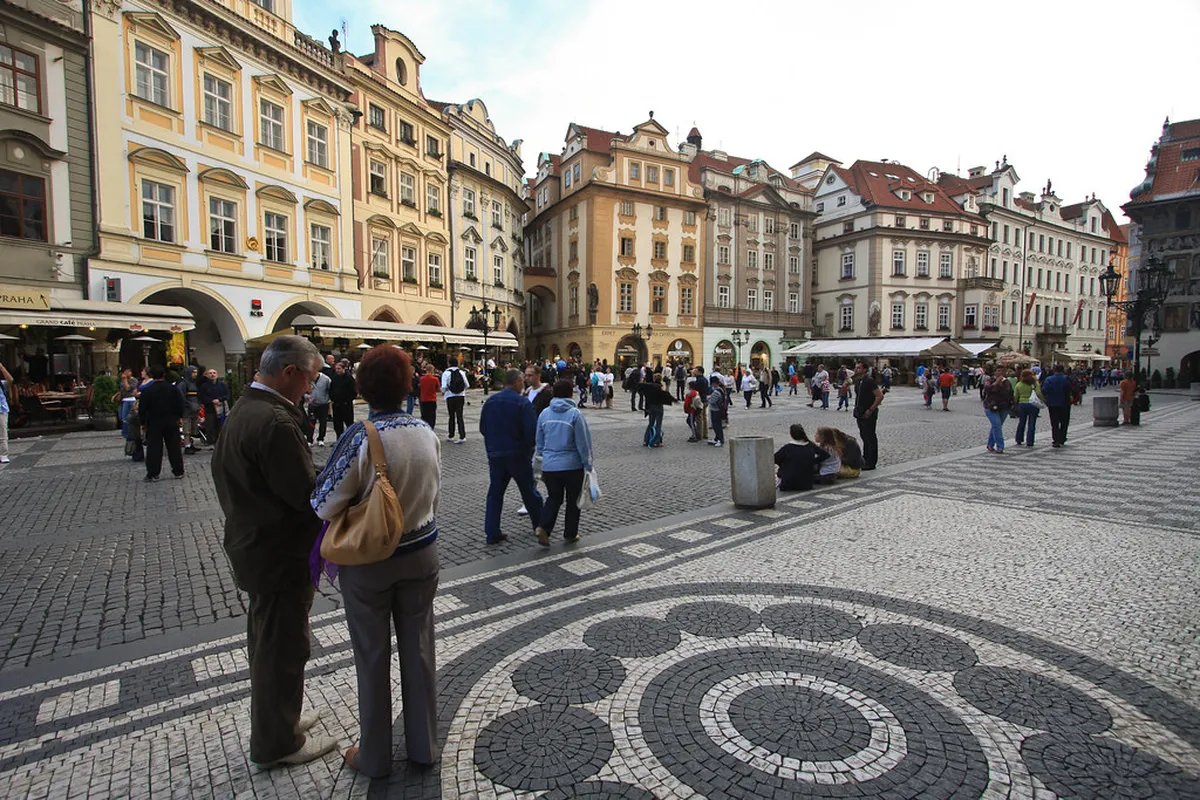
Old Town Square is the heart of the city and can be very busy. Planning your timing can make a huge difference in your enjoyment. Early mornings offer a peaceful atmosphere, while evenings provide a romantic, lit-up view of the surrounding spires. Most people visit midday, which is when the square is most congested.
- Checklist:
- Fully charged camera or phone for video.
- Comfortable walking shoes for the cobblestones.
- Small change if you plan to enter the tower later.
- A map of the square to find nearby landmarks.
- Awareness of your surroundings in large crowds.
When deciding when to go, use this simple guide. If you want the best photos with clear light, go at 10:00 AM or 11:00 AM. If you want to avoid the largest tour groups, choose the 9:00 PM or 10:00 PM strike. The night lighting on the Church of Our Lady before Týn creates a stunning backdrop for the clock show.
Troubleshooting Common Problems at the Clock
Even the best-laid plans can face issues in a busy tourist hub like Prague. Being aware of potential problems helps you stay safe and happy. The area around the Orloj is a prime spot for distractions, so stay focused on your belongings. Here are some common issues to keep in mind:
- Crowd Density: The square gets packed quickly; if you feel claustrophobic, move to the edges near the restaurants.
- Pickpockets: Thieves often target distracted tourists watching the clock; keep your bags in front of you.
- Visibility: Tall tourists or selfie sticks can block your view; try to find a spot near a lamp post for a clear line of sight.
- Scaffolding: Occasionally, the clock undergoes maintenance; check the Prague tourism site for renovation alerts.
- Wrong Location: Ensure you are at the Old Town Hall, not the New Town Hall, which also has a clock but no show.
- Timing Errors: Your phone might sync to a different time zone; use a local clock to be sure.
- Weather: There is no cover in the square; bring an umbrella for the 45-second show if it is raining.
The Significance of the Clock in Prague History
The Orloj is not just a tourist attraction; it is a masterpiece of science. Built in 1410, it is the third-oldest astronomical clock in the world. It tracks Babylonian time, Old Bohemian time, German time, and sidereal time. It also shows the phases of the moon and the journey of the sun through the zodiac. This complexity is why it is part of the UNESCO World Heritage site of Prague.
Legend says that the city council blinded the clockmaker, Mikuláš of Kadaň, so he could never build a better clock elsewhere. While this is likely a myth, it shows how much the city values this treasure. The clock has survived many wars, including heavy damage during the Prague Uprising in 1945. Seeing it today is a testament to careful Czech restoration efforts.
After watching the strike, you might want to explore other nearby sites. You can walk toward the river to see the Prague Castle complex attractions on the hill. The history of the clock is deeply tied to the growth of the city as a center of European learning and power. Understanding its history makes the 45-second show much more meaningful.
Frequently Asked Questions
What time does the Prague astronomical clock strike?
The Prague astronomical clock strikes every hour on the hour from 9:00 AM to 11:00 PM daily. The show features the Walk of the Apostles and moving statues. It is best to arrive 15 minutes early to secure a good viewing spot in the square.
Is the Prague astronomical clock free to watch?
Yes, watching the astronomical clock strike from Old Town Square is completely free. You do not need tickets or reservations to stand in the public area. Fees only apply if you wish to climb the Old Town Hall tower for a view from above.
How long does the astronomical clock show last?
The mechanical performance of the Prague astronomical clock lasts approximately 45 seconds. During this time, the twelve Apostles pass by the windows. The show concludes with a golden rooster crowing and a trumpeter playing from the top of the tower.
Learning how to see the Prague astronomical clock strike is a highlight of any trip to the Czech Republic. By arriving early and positioning yourself correctly, you can enjoy a 600-year-old tradition without the stress of the crowds. Remember to stay for the trumpeter at the end for the full experience. After the show, consider exploring more Old Town Square historical sites to complete your morning. Enjoy your time in this magical city!
Official resources
Use these sources for official schedules, tickets, routes, and updates.
- Prague.eu — Official city tourism portal; unverified.
- Praha.eu — Official municipal government portal; unverified.
- Visit Czechia — National tourism board; unverified.
- UNESCO World Heritage Centre — Official UNESCO heritage listing; unverified.
- Prague Castle — Official landmark domain; unverified.
- National Museum — Major national museum; unverified.